
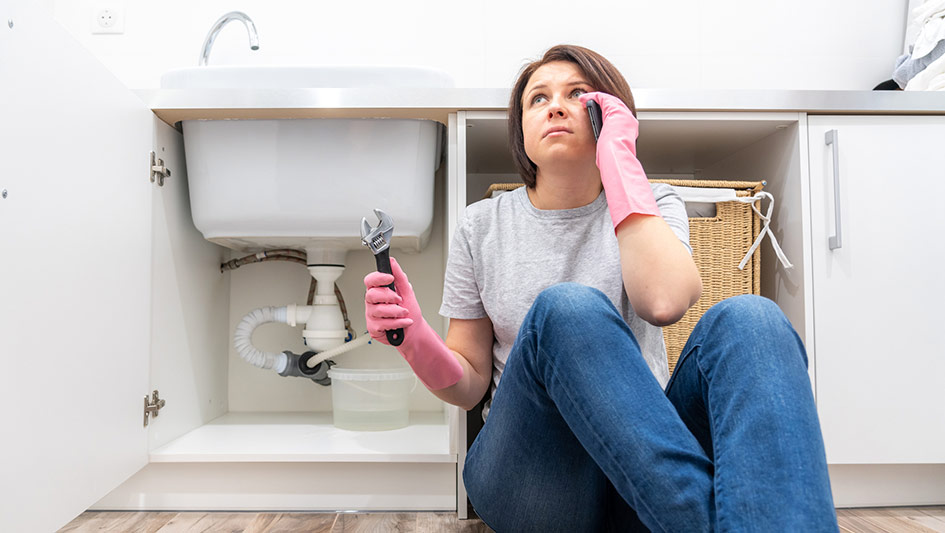
obstructed kitchen, bathroom and shower drains are commonfrustrations. Many property owners use chemical drain cleaners because they promise to solve the clog right away. But before you pour that solution down the plumbing, it's worth learning about the chemical drain cleaner
risks and investigating safer better, longer‑lasting alternatives.
What Are Chemical Drain Cleaners?
Chemical drain cleaners come in caustic, oxidizing and acidic varieties. These cleaners break down clogs by generating heat or dissolving organic matter material. You can easily purchase name brands like Drano at your local grocery or hardware store, but it's worth asking–is Drano bad for pipes? The answer depends on much you use it and what shape your pipes are in.
Frequent use of chemical solutions can speed up breakdown on older plumbing, especially metal pipes, which are susceptible to rust. Even newer systems aren't immune– repeated exposure to harsh chemicals may weaken joints, weaken seals and shorten the durability of your plumbing. Many plumbers caution against relying on chemical drain cleaners as a standard method. Instead, they recommend safer alternatives that clear clogs without creating long‑term damage to your pipes.
The Hidden Risks of Chemical Cleaners
Health concerns are a clear liquid drain cleaner danger. These products often contain highly caustic ingredients that will produce severe significant burns if you get them on your skin. They also create fumes that can affect your eyes, nose and lungs, creating dangerous conditions for you and anyone present. For families with children or pets, even a small spill or accidental exposure can result in critical medical emergencies, making chemical drain cleaners a hazardous option.
The long‑term outcomes of using chemical drain cleaners often exceed the short‑term benefit. While chemicals may briefly clear a clog, they can also affect your plumbing. Older pipes are especially at risk, since corrosion worsens wear and tear, causing leaks or even catastrophic collapse.
What may seem like a straightforward household solution can also have widespread environmental effects. If you have a septic system, chemical drain cleaners can harm the sensitive balance of bacteria needed to decompose waste, lowering efficiency and causing expensive damage. If these chemicals enter the water supply, they contribute to contribute to pollution that affects ecosystems and public health.
The Hidden Issues Behind Quick Fixes
While chemical drain cleaners may successfully resolve small blockages, they often prove inadequate when dealing with repeated drain clogs. For example, a hair clog in a shower drain may seem to dissolve temporarily, only to come back weeks later because the cleaner didn't fully remove the buildup. Over time, repeated use of chemicals can hide the problem without ever solving it, leaving you frustrated with the same sluggish sink or shower.
A common misconception is that chemical drain cleaners are harmless on plumbing. However, they aren't septic-safe drain cleaners. The strong ingredients can upset the natural bacterial balance inside a septic tank, limiting its ability to break down waste and potentially resulting in costly repairs. For households that use septic systems, chemical solutions are a poor an inappropriate choice compared to enzyme-based or mechanical alternatives.
There's no alternative for a professional plumbing inspection if you have persistent clogs or other serious issues. In these cases, adding more chemicals down the drain will only postpone the inevitable. Call a licensed plumber to identify the true cause, whether it's tree root intrusion, cracked or corroded pipes or years of buildup demanding specialized tools like hydro-jetting. Once they determine the problem, experienced professionals can solve it safely and effectively without using toxic chemicals.
Safer Substitutes for Homeowners
Many alternate solutions to chemical drain cleaners preserve plumbing systems instead of harming them. Together, these safer methods safely resolve clogs while keeping a cleaner environment inside and outside your home.
Chemical-free drain cleaning is one of the most basic methods. You can combine inexpensive pantry items like baking soda and vinegar to generate a fizzy reaction that dislodges accumulation inside pipes. Rinse with hot water afterward to eliminate lingering buildup. This sustainable approach can quickly solve basic issues such as a slow-draining sink.
Another option is enzyme-based drain cleaners, which use natural substances materials to break down decompose organic matter such as hair and food particles. Unlike harsh aggressive chemical products, these biodegradable cleaners are gentle non-corrosive on pipes and safe for skin and septic systems. They work over time, but their success in preserving healthy drains makes them a smart intelligent, preventive protective choice.
Mechanical drain cleaning methods techniques are often the most reliable trustworthy for tougher clogs. Tools like plungers and drain snakes physically eliminate obstructions, and you can use them as often as you need to without thinking about causing further problems.
When Should You Call a Professional?
Many homeowners ignore red flags like slow drains or foul odors until water has nowhere else to go and begins overflowing into the house. The resulting damage is typically expensive, and your homeowners' insurance may not fully cover the fixes. Don't wait until it's too late. If you notice any of these problems, it's time to search for a professional plumber near you.
Plumbers have specialized tools you don't. Licensed professionals use inspection cameras to inspect drains and uncover concealed problems before it worsens. This early detection and remediation can save you substantial costs and stress in the long run. A regularly serviced drain system prevents hassles, protects your property and keeps your home healthy and clean.
Stop the Damage and Protect Your Pipes With Better Choices
Chemical drain cleaners may promise fast solutions, but these products can create more issues than they solve. Choose non-toxic solutions to protect your pipes, your family and the environment.
Non-chemical drain cleaning methods, enzyme-based products and professional services such as drain snaking and hydro-jetting are the best ways to clear persistent blockages without risking further issues. Skilled professionals also provide emergency drain cleaning and helpful care advice to prevent upcoming problems. Switching to safer solutions is an investment in the future integrity of your home and plumbing.

