
Extreme summer heat can push your air conditioner to the breaking point. As temperatures in Cottonwood & Verde Valley rise, it’s common to notice rising energy bills, uneven temperatures throughout the home and cooling systems that often run all day without keeping up.
You may think the air conditioner is the only thing that affects how comfortable your home feels. However, your home’s air circulation, insulation and shade all play a significant role in cooling performance.
This guide highlights three simple strategies that can improve comfort and cooling efficiency: boosting airflow in your home, making sure your home has enough insulation and creating shade to reduce heat from the sun. Using these summer AC tips from the pros at Connolly Electric & Mechanical, you’ll keep your house cool in summer.
Start with Airflow: Help Your AC Work Smarter
AC units cool the air and move it through ductwork to the rooms in your home. For that cool air to keep your home comfortable, it must be able to move freely throughout your house. If airflow is blocked, some rooms may feel warmer than others.
Many people blame their AC for a hot home. The truth is, the AC is often working fine—the real problem is poor airflow. Dirty air filters, blocked vents and other HVAC issues can all reduce airflow.
Home Airflow Improvement Tips
Taking steps to improve airflow in your home can improve comfort, lower strain on your AC and decrease energy costs.
- Replace dirty air filters. Consistent AC air filter replacement helps your HVAC system circulate air more efficiently while supporting indoor air quality.
- Check that supply and return vents are clear. Furniture, rugs and curtains can create blocked air vents that keep cooled air from circulating throughout your home.
- Keep interior doors open. This allows air to move more evenly between rooms.
- Move furniture covering registers.Keeping registers clear allows conditioned air to circulate more easily.
- Schedule preventiveAC maintenance services. By doing a professional HVAC tune-up, a technician can examine and clean dust-covered blower components that may affect your system’s ability to circulate air.
Insulation Matters More Than Most Homeowners Realize
Insulation acts as a barrier against the warm air outside your home. As your air conditioning removes heat from inside your home, insulation helps keep that heat from getting inside. Better insulation improves comfort, decreases cooling run times and can help increase the life of your HVAC system.
The attic is one of the largest sources of solar heat gain during summer. Proper attic insulation and cooling go hand in hand because attic insulation reduces heat transfer through the roof. Proper weatherstripping and sealing around doors and windows also help stop hot outdoor air from getting inside.
If insulation levels are too low or air leaks are present, your AC has to work harder. As a result, many homeowners ask, “Why is my house hot with the AC running?” Frequently, insufficient insulation—not the air conditioner—is the problem.
Signs of Low Home Insulation Levels
- Hot upstairsrooms
- Hotand cold spots
- Higher cooling costs
- An air conditioner that rarely shuts off
Use Shade to Keep Your Home Cooler
Sunlight streaming through windows and heating up your roof and exterior walls boosts indoor temperatures, forcing your air conditioner to work harder.
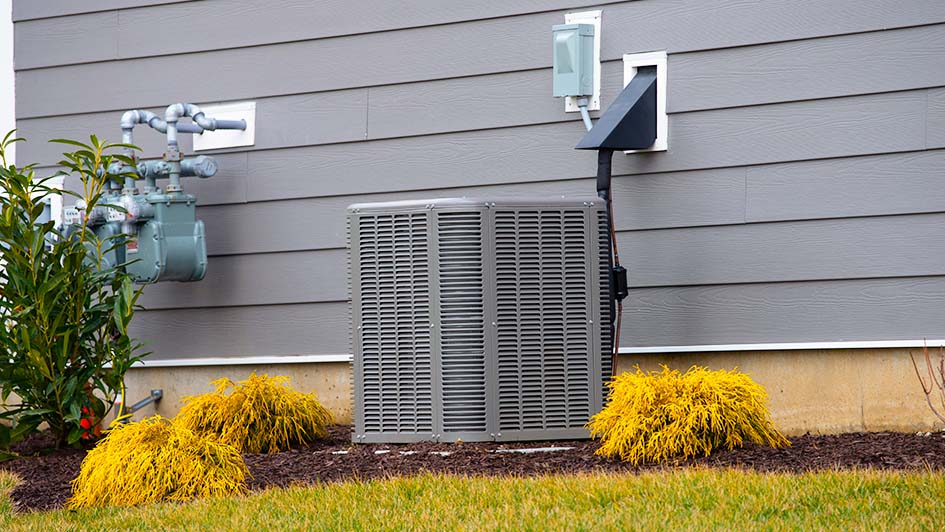
Direct sunlight can also affect your outdoor cooling unit by reducing its ability to release heat efficiently. Using shade around your property can reduce solar heat gain, improve comfort and lower summer energy bills. Using trees or other landscaping to shade your air conditioner’s outdoor unit can also help—but never block airflow around the condenser. Avoid fences, enclosures or dense landscaping that restrict air movement.
5 Summer AC Tips to Reduce Heat with Outdoor Shade
- Plant trees and landscaping strategically. Position trees to shade your roof, walls, windows and outdoor air conditioning equipment. If you’re shading your outdoor AC unit, maintain at least 2–3 feet of clearance on all sides and 5 feet above the unit to allow for enough airflow.
- Use window coverings. Light-colored curtains, cellular shades and thermal drapes reduce heat gain from sunlight shining through windows.
- Add solar screens in your home. Solar screens, which are specially designed mesh curtains, used on sun-facing windows help block the sun’s heat while still allowing in natural light.
- Make use of outdoor shade. Add landscaping and design features such as awnings, pergolas, shade sails or exterior shutters to stop direct sunlight off windows before it enters your home.
- Keep blinds closed during high heat. Maintain blinds or shades closed on west- and south-facing windows during the hottest part of the day to reduce indoor temperatures and ease the load on your air conditioner.
Additional Heat-Wave Survival Tips
Airflow, insulation and shade all make a big difference, but these AC efficiency tips can help improve comfort during extreme summer heat.
- Settheappropriate ceiling fan direction. Run ceiling fans counterclockwise to create a cooling breeze.
- Limit heat-generating appliances during the hottest part of the day. Run ovens, dryers and dishwashers in the morning or evening to reduce indoor heat.
- Manage thermostat settings. Trytoavoid frequent temperature changes that cause your AC to work harder.
- Book preventative maintenance. Regular service helps your system run efficiently before peak cooling season.
- Monitor unusual system performance. Take care of strange noises, weak airflow or inconsistent cooling before they become more expensive repairs.
The Importance of Knowing When It’s Time to Turn to an HVAC Professional
At-home AC maintenance and energy-saving cooling strategies can help, but some problems need professional attention. If you notice warm air is coming from your vents, airflow feels weak, your air conditioner runs almost constantly, energy bills spike, rooms cool unevenly or your system turns on and off repeatedly, it’s a good idea to schedule an expert evaluation.
At Connolly Electric & Mechanical, our cooling specialists inspect airflow, duct performance, insulation-related comfort concerns and overall system health to pinpoint the actual cause to help your HVAC system perform at its best throughout the summer.
Stay Comfortable All Summer Long
Staying comfortably cool during a heat wave involves more than just your air conditioner. Proper airflow, adequate insulation and strategic shade work together to increase comfort, boost efficiency and lower cooling costs. When paired with regular summer HVAC maintenance, these strategies can help your system operate at its best when you need it most.
has the knowledge and experience to keep you comfortable in even the hottest weather. If you’re in need of AC maintenance, a cooling system inspection, an airflow evaluation or a complete summer tune-up, we’re here to help boost efficiency and comfort during hot summers. Schedule cooling services online or call today to get started.

